The Service Learning Fellowship Program is a year-long faculty development opportunity offered by UConn’s Office of Outreach and Engagement for faculty and staff who seek to design, enhance, or teach community-engaged courses.
Through training, mentorship, peer learning, and community partnership support, Fellows learn best practices in service learning and community engagement and how to integrate these approaches into their teaching, research, and public service. Participants also build leadership capacity and become recognized campus leaders in service-learning pedagogy and community engagement.
The 2026 Service Learning Fellows program officially launched this past Saturday, January 31, with a retreat held at Hands On Hartford. The retreat was designed to deepen faculty understanding of community-engaged teaching and to strengthen university–community partnerships. Hands On Hartford staff facilitated discussions about their work in Hartford, local community needs, and best practices for meaningful collaboration between universities and community organizations. Hosting the retreat on-site supported direct engagement with a key community partner and advanced the program’s educational and professional development goals.
2026 Community-Engaged Teaching and Learning Fellows
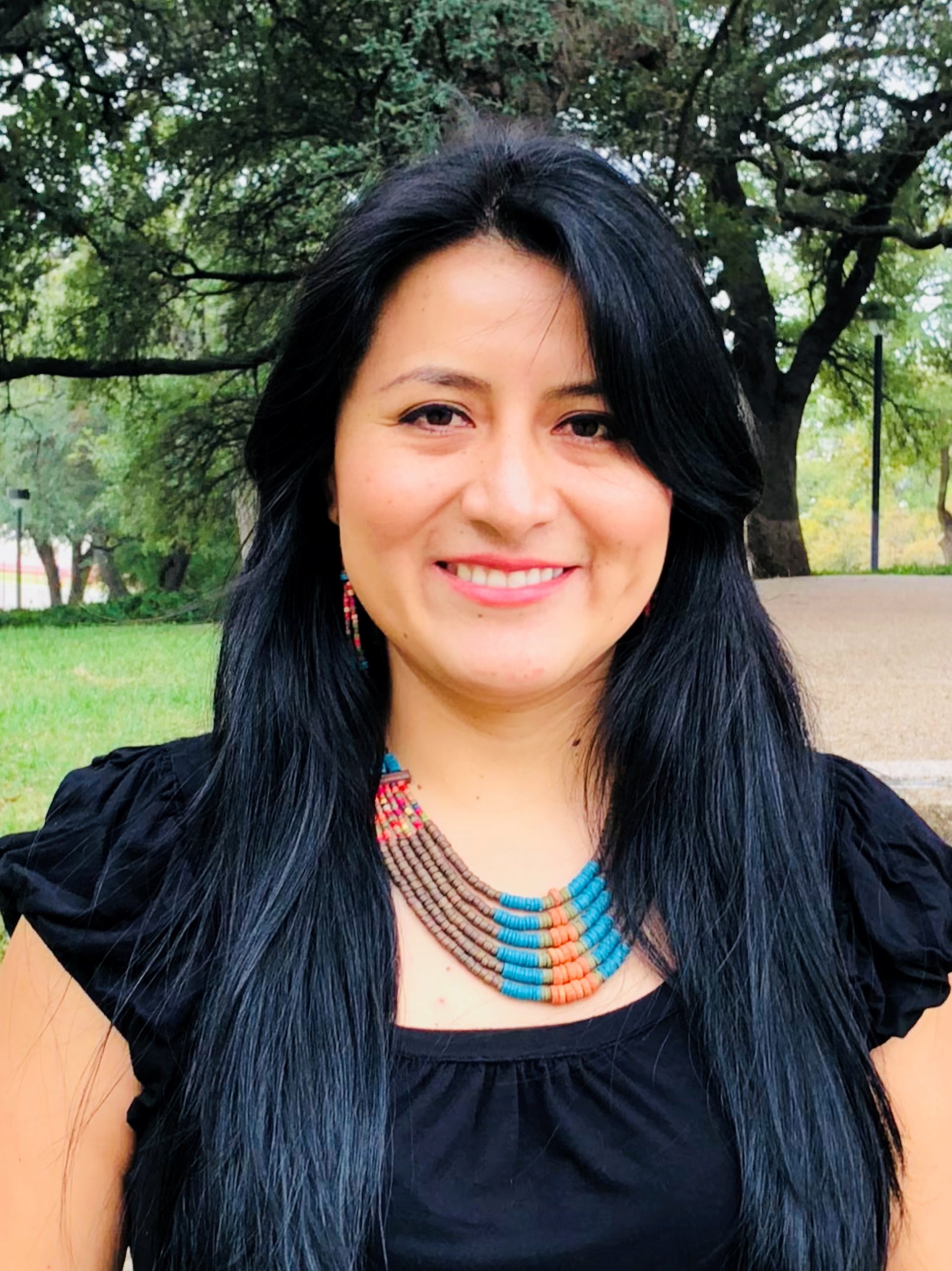
Assistant Professor, Department of Geography, Sustainability, Community, and Urban Studies
Professor Lamiña received a Provost Common Curriculum Grant for a new course she is developing, WGSS3XXX: Gendering Améfricas. Through this support, she is designing the course as a community-engaged learning experience that brings students and research partners into Indigenous and Black socio-spatial content while fostering skills in ethnography, cartographic archival analysis, and geovisualization. Grounded in Indigenous and Black feminist, decolonial, and anti-racist frameworks, the course integrates her long-term collaborative research in Amazonia and the work of her Indigenous Geographies Lab to connect theory with practice.

Associate Professor in Residence, UConn School of Social Work
Professor Smith’s course centers on gender-based violence as a social justice issue and emphasizes reflective learning, dialogue, and applied practice. Plans include a service-learning component connecting students with community organizations working to prevent and respond to gender-based violence in the Hartford area.

Associate Professor of Sociology, UConn Hartford and Storrs
Professor Price-Glynn seeks to use the Service Learning Fellows Program to adapt her long-standing Sociology of Carework course into a fully developed service-learning model and to support the development of a sociology graduate teacher training program. Her work emphasizes ethical, inclusive, and sustainable community partnerships that strengthen undergraduate learning and prepare graduate students for engaged college teaching.

Adjunct Instructor, UConn Hartford
Professor King seeks to integrate service learning more intentionally into ENGL 1007 First Year Writing. Her goal is to expand a long-standing research and writing project into a service-oriented learning experience that connects writing, inquiry, and activism with community engagement. Drawing on her experience with museum-based learning and environmental activism, she aims to help students see service learning as a meaningful extension of rhetorical and civic practice.

Assistant Professor in Residence, College of Agriculture, Health and Natural Resources, Department of Allied Health Sciences
Professor Rosen is developing AH 4010: Sexual and Reproductive Health, an upper-level course to be offered on the Waterbury campus beginning Spring 2026. Designed for junior and senior Allied Health Sciences students, the course uses a project-based learning model in which students design and deliver tailored sexual and reproductive health promotion lessons for specific populations. Her goal is to evolve the course into a service-learning, community-engaged experience in partnership with local organizations

Associate Professor in Residence, Department of Allied Health Sciences
Professor Kaliszewski aims to revise and strengthen her undergraduate course, Health Education and Promotion, connected to the Hands on Health project at UConn Waterbury. Through the Fellows Program, she plans to incorporate best practices in service learning by adding a structured classroom component, refining learning objectives, and strengthening students’ roles as facilitators in a community-engaged health education program.

Associate Professor
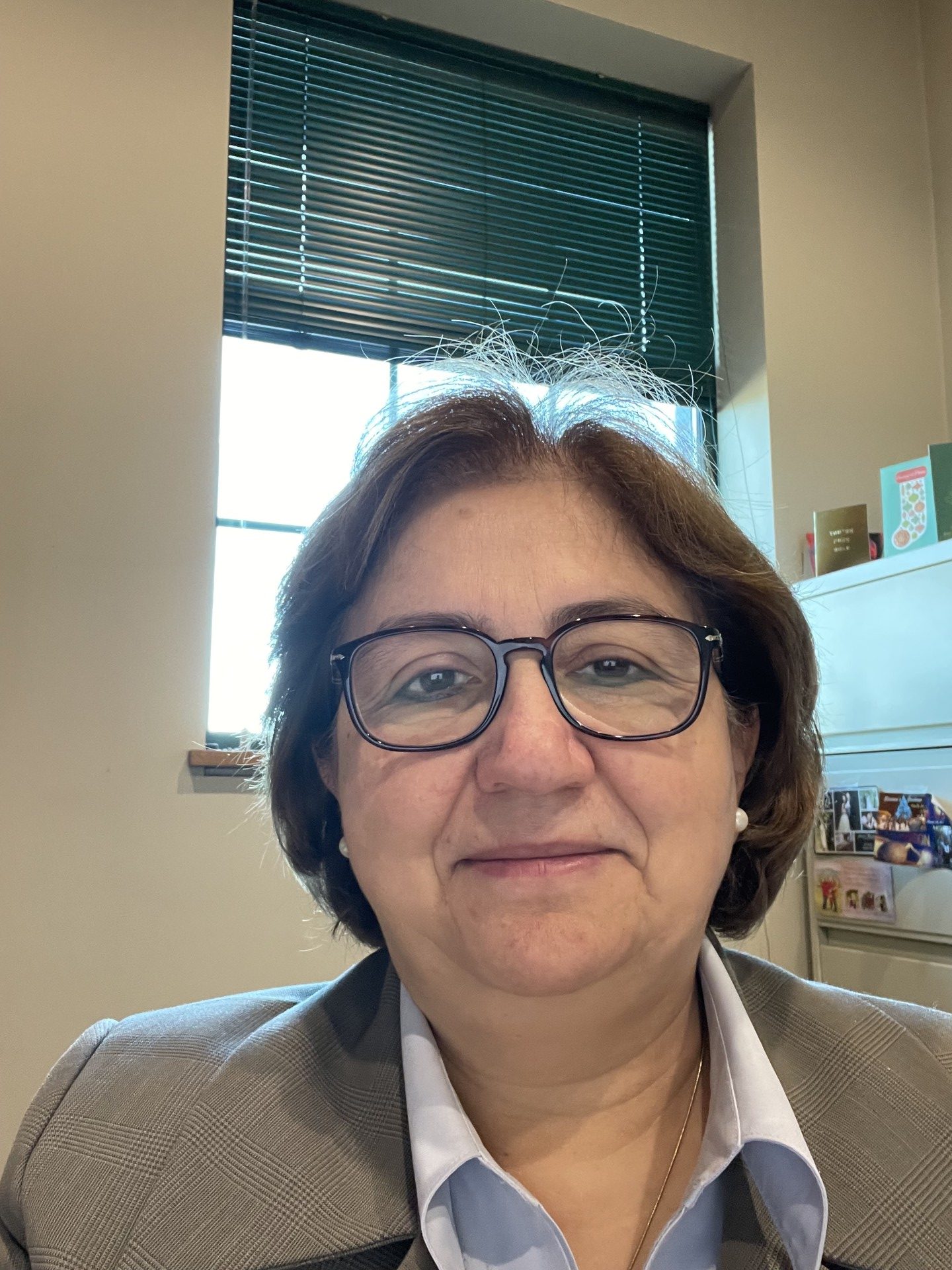
Professors Aguirre and Selampinar received a Provost Common Curriculum Grant for CHEM 2XXX: Introduction to Forensic Chemistry. This multidisciplinary course connects core chemical principles to real-world applications in the justice system through hands-on, empirical inquiry. The faculty plan to incorporate community-engaged learning through forensic science outreach, including educational modules for K-12 audiences and partnerships with local forensic laboratories.
Professor in Residence, Department of Chemistry
Professors Aguirre and Selampinar received a Provost Common Curriculum Grant for CHEM 2XXX: Introduction to Forensic Chemistry. This multidisciplinary course connects core chemical principles to real-world applications in the justice system through hands-on, empirical inquiry. The faculty plan to incorporate community-engaged learning through forensic science outreach, including educational modules for K-12 audiences and partnerships with local forensic laboratories.